Description
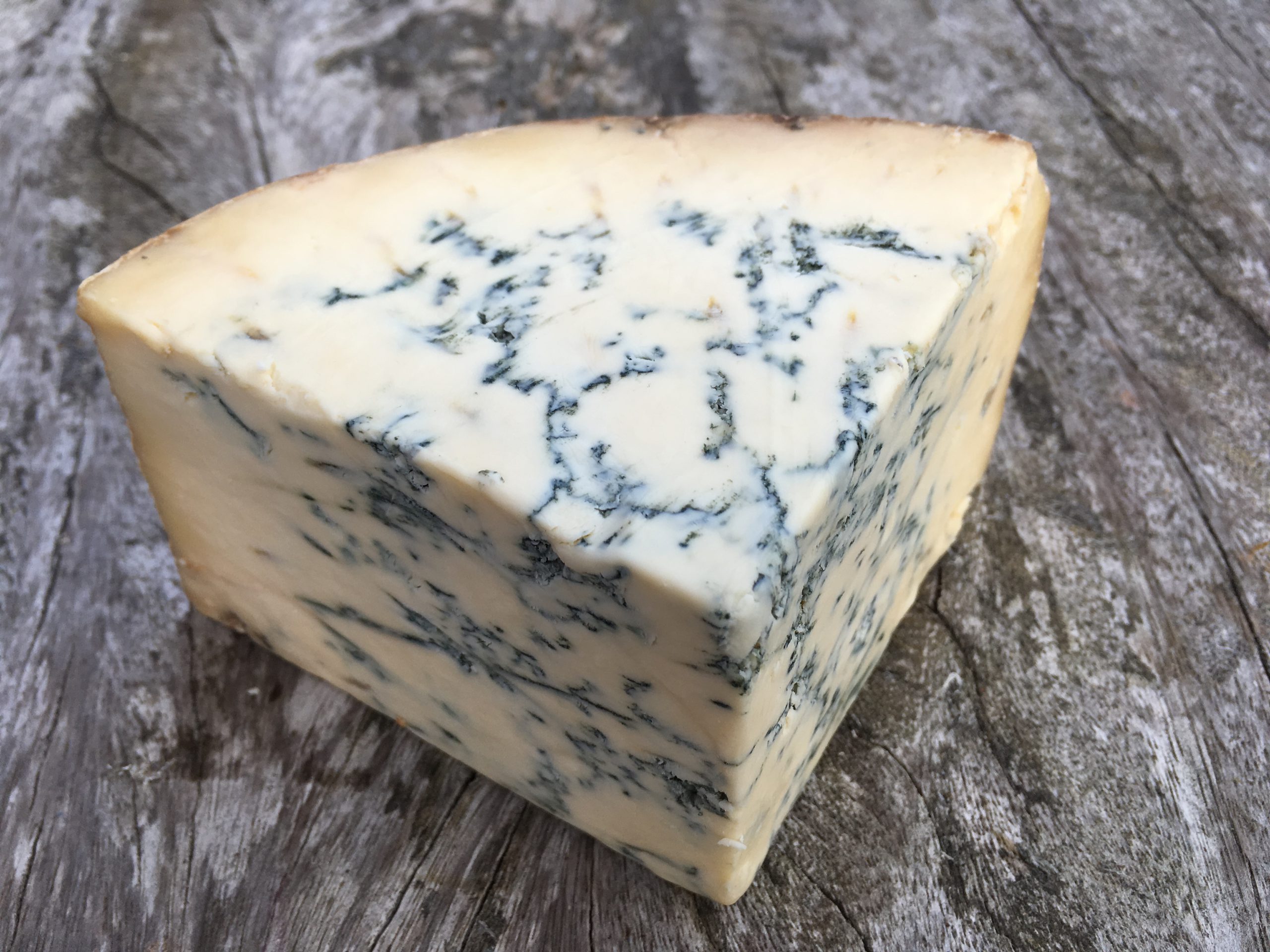
Colston Bassett Blue Stilton PDO Cheese
About Colston Bassett Blue Stilton PDO
It was back in the early 18th Century when a hard, parmesan style cheese was first called Stilton. However, the first Blue Stilton PDO was marketed by Cooper Thornhill in 1730. Legend has it that he first tasted the cheese from Leicestershire and loved it so much that he bought all rights to the cheese. He then began to sell it from his pub in Stilton. This pub was on the main route between London and the North of England and so the fame of Blue Stilton PDO quickly spread.
The farming co-operative that led to the creation of the Colston Bassett Dairy was started in 1913 by a local doctor, William Windley. His principles and vision are still in use at the dairy today. All of the milk used in the cheese production comes from farms within 1.5 miles of the dairy in the Vale of Belvoir. Colston Bassett Blue Stilton PDO is one of the last to still be ladled into cheese moulds by hand. This method gives it a unique rich creamy taste.
Protected by PDO Tradition
Blue Stilton is protected by its PDO status and is governed by strict rules around milk, method and geography. There are only four dairies are now licensed to make it with production being limited to Nottinghamshire, Derbyshire and Leicestershire. Pasteurised cow’s milk must be used and even the final shape of the cheese is strictly regulated. Slightly amusingly, the village of Stilton where the cheese was first produced is in Cambridgeshire and cannot legally produce the cheese that made it famous.
Made Slowly, with Care
This is not a rushed cheese. It is made carefully, with the curds being ladled entirely by hand. The curds are transferred by hand to a table where they slowly drain overnight. This results in a smooth, creamy yet rich cheese.
Colston Bassett Blue Stilton PDO – Jen’s Tasting Notes
For me, a Blue Stilton should be oozing with flavour. Colston Bassett is consistently smooth and creamy with a mellow flavour. When it is at its very best you should get hints of fruitiness with a savoury tang on the final swallow.
How to Serve and Pair Colston Bassett Blue Stilton
- Make sure you take it out of the fridge a good hour before you want to eat it so it can come up to room temperature.
- Classic pairings: Port and Stilton is the classic combo – the saltiness of the cheese combined with the fruity sweetness of the Port is one not to miss.
- Something a little different: I really love a sweet, dessert wine with Stilton, preferably a Sauternes. If you’re a beer drinker, then a good stout works too.
- On the plate: Pears and walnuts are an ideal match with a spoonful of fig chutney on the side.
- In the kitchen: Broccoli and Stilton soup is a must in our house in the winter. Stilton also works brilliantly in a cheese sauce drizzled over a steak or simply crumbled into a salad.
Jen’s note: We had a 2.5kg wheel of Colston Bassett as part of our wedding cake, it is my all-time favourite blue and we always have it in the counter.
Buying Colston Bassett Blue Stilton PDO
- Brand or Producer: Colston Bassett Dairy
- Product name: Blue Stilton PDO
- Milk: Cow
- Country: England
- Region: Nottinghamshire (Vale of Belvoir)
- Strength: Medium to strong
- Vegetarian: Yes (vegetarian rennet)
- Suitable for pregnancy: Yes
- Allergens: MILK
Sizes and Prices
- 100g wedge, £3.00
- 500g wedge, £15.00
- Wheel (approx. 2.5kg), available to pre-order
- Whole cheese (approx. 8kg), available to pre-order
Storage Advice
- Keep refrigerated
- Wrap in waxed paper or cling film
- Remove from the fridge before serving
- Consume within 10 to 14 days of opening
Delivery and Collection
- UK wide courier delivery
- Click and collect from our Pangbourne shop
- Free local delivery available for selected postcodes
Ingredients (Allergens are listed in capitals)
MILK, starter cultures, vegetarian rennet, salt, Penicillum Roqueforti