Description
Brie de Meaux PDO Cheese
About Brie de Meaux PDO
Brie de Meaux is one of those cheeses that really lives up to its reputation. It’s full of history and character, and the French have long considered it a legend. As a PDO cheese, it’s a true taste of northern France.
Brie de Meaux hails from the Brie region, just east of Paris, and takes its name from the town of Meaux, which was quite the place to be in medieval times. People have been making versions of this cheese here since the 8th century, and by the 12th, it was already turning heads across Europe.
Protected By Its PDO Status
Brie de Meaux has PDO (Protected Designation of Origin) status, which means it must be made in a very specific way, using milk from the designated area. It finally got this official recognition in 1980, thanks to years of effort from local cheesemakers who wanted to keep things authentic in the Brie countryside, places like Meaux, Provins, and the nearby plains. The cheese is still made the traditional way, with raw cow’s milk, special starter cultures, and lots of careful steps like hand-ladling the curds and letting it ripen slowly. There are strict rules about everything from the texture to the flavour, so every wheel is the real deal. Only cheeses that tick all the PDO boxes can be called “Brie de Meaux” in the EU.
This PDO label is there to look after both the cheesemakers and us cheese lovers, making sure the name stays special.
The History
Brie de Meaux really started making a name for itself during the time of King Charles VII. When Louis XI celebrated coming of age in 1429, Brie de Meaux was on the banquet table, its first taste of royal life. It didn’t take long for the French aristocracy to fall for it, too.
Over the years, Brie de Meaux’s reputation just kept growing, both in France and further afield. By the 1700s, it was being sent all over Europe, loved for its creamy texture and subtle flavours. Even Thomas Jefferson couldn’t resist writing home about it after trying it in Paris. Brie de Meaux is more than just a delicious cheese; it’s a slice of French history and culture, and a real showcase of what French cheesemaking can do.
The Make
Brie de Meaux starts with full-fat raw cow’s milk, usually delivered fresh each morning. Cheesemakers add their starter cultures and rennet, then hand-ladle the curds into moulds. That hand-ladling is key; it keeps the texture just right.
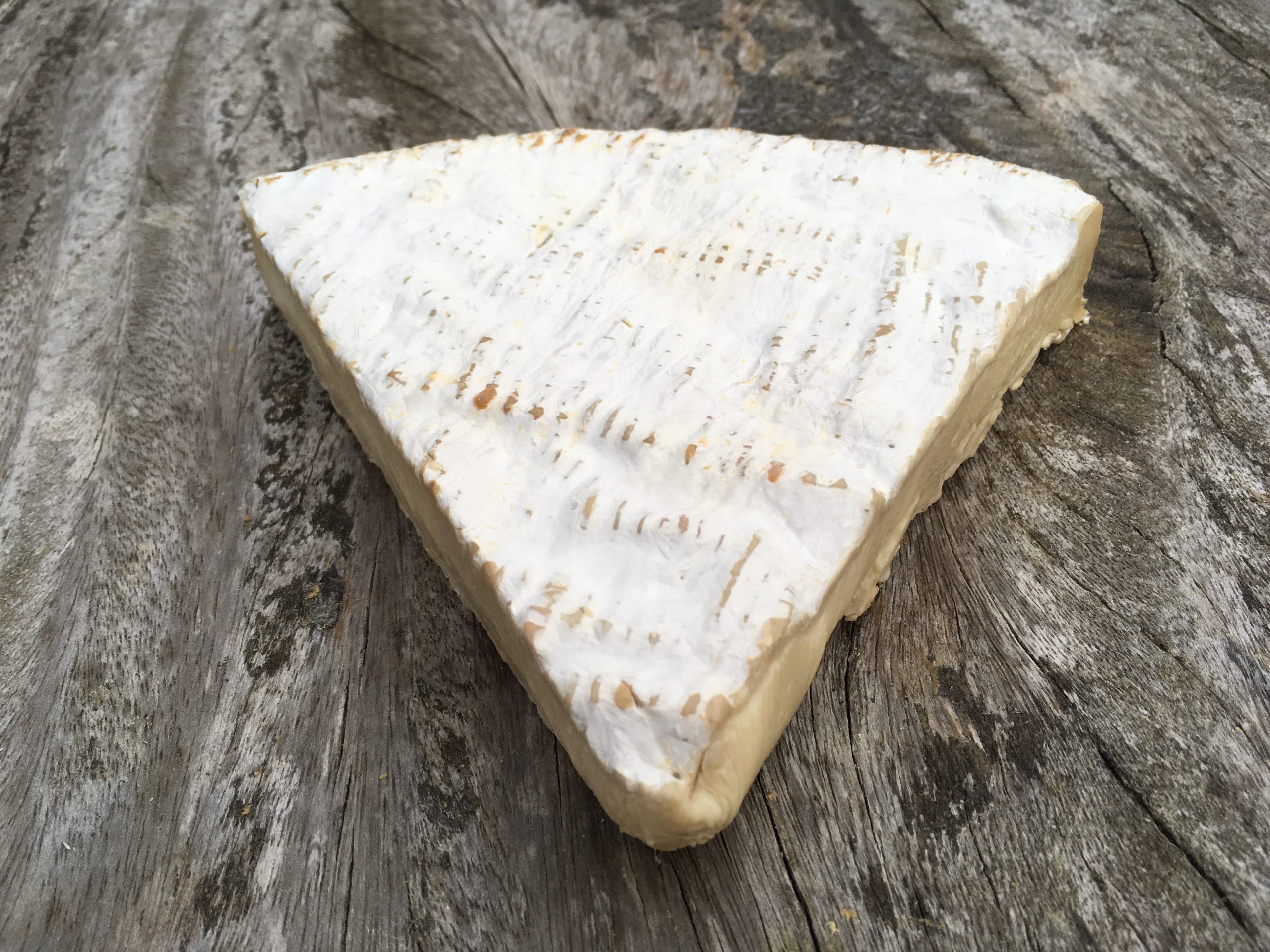
After that, the cheese drains naturally, gets a sprinkle of salt, and is left to ripen for at least 6 to 8 weeks. Its famous white, bloomy rind is produced by Penicillium candidum. The finished wheels are a decent size, usually around 3kgs. Under that soft, slightly wrinkled rind, you’ll find a pale, straw-coloured cheese with an aroma that’s hard to resist.
Brie de Meaux PDO – Jen’s Tasting Notes
Brie de Meaux is known for its subtle, complex aroma and flavour, a world away from the milder supermarket versions. Inside, it’s pale straw-coloured, wrapped in a rippled white rind. As it ages, you’ll pick up hints of cream, mushrooms, hay, and even a touch of floral. The texture is silky near the rind and turns gloriously gooey when it’s just right, though the centre stays firmer if it’s younger or a bit cold. It starts off sweet and buttery, then moves into warm, savoury notes. As it matures, you get more earthy richness and a gentle mushroom finish, all wrapped up in a creamy, lingering aftertaste.
If you’re used to the milder supermarket Bries, the real Brie de Meaux is a whole new adventure, fuller, more complex, and always changing as you eat. It’s a brilliant example of what traditional cheesemaking can do.
How to Serve and Pair Brie de Meaux PDO
- Make sure you take it out of the fridge a good hour before you want to eat it so it can come up to room temperature.
- Classic pairings: Brie de Meaux and Champagne are a classic pairing. The bubbles and acidity really bring out the cheese’s creamy side.
- Something a little different: A good red wine, like a Beaujolais, is another lovely match. The light red fruit goes beautifully with the cheese’s soft texture.
- On the plate: You can’t go wrong with a fresh baguette. Cheese and bread, enjoyed simply, really let Brie de Meaux shine.
- In the kitchen: Brie de Meaux is also wonderful in cooked dishes. Try melting it over potatoes, tucking it into an omelette, or baking it into a tart; all delicious ways to enjoy it.
Jen’s note: Napoleon Bonaparte called Brie de Meaux “worthy of emperors and strangers alike.” Whether myth or memoir, this shows how deeply the cheese is woven into European history.
Buying Brie de Meaux PDO
- Brand or Producer: Fromagerie Dongé
- Product name: Brie de Meaux PDO
- Milk: Cow
- Country: France
- Region: Meaux
- Strength: Medium
- Vegetarian: No
- Suitable for pregnancy: No
- Allergens: MILK
Sizes and Prices
- 100g wedge, £3.15
- 500g wedge, £15.75
- Whole wheel (approx. 3kg), available to pre-order
Storage Advice
- Keep refrigerated
- Wrap in waxed paper or cling film
- Remove from the fridge before serving
- Consume within 10 to 14 days of opening
Delivery and Collection
- UK wide courier delivery
- Click and collect from our Pangbourne shop
- Free local delivery available for selected postcodes
Ingredients (Allergens are listed in capitals)
MILK, salt, starters, rennet, mould cultures