Description
St Marcellin PGI Cheese
About St Marcellin PGI
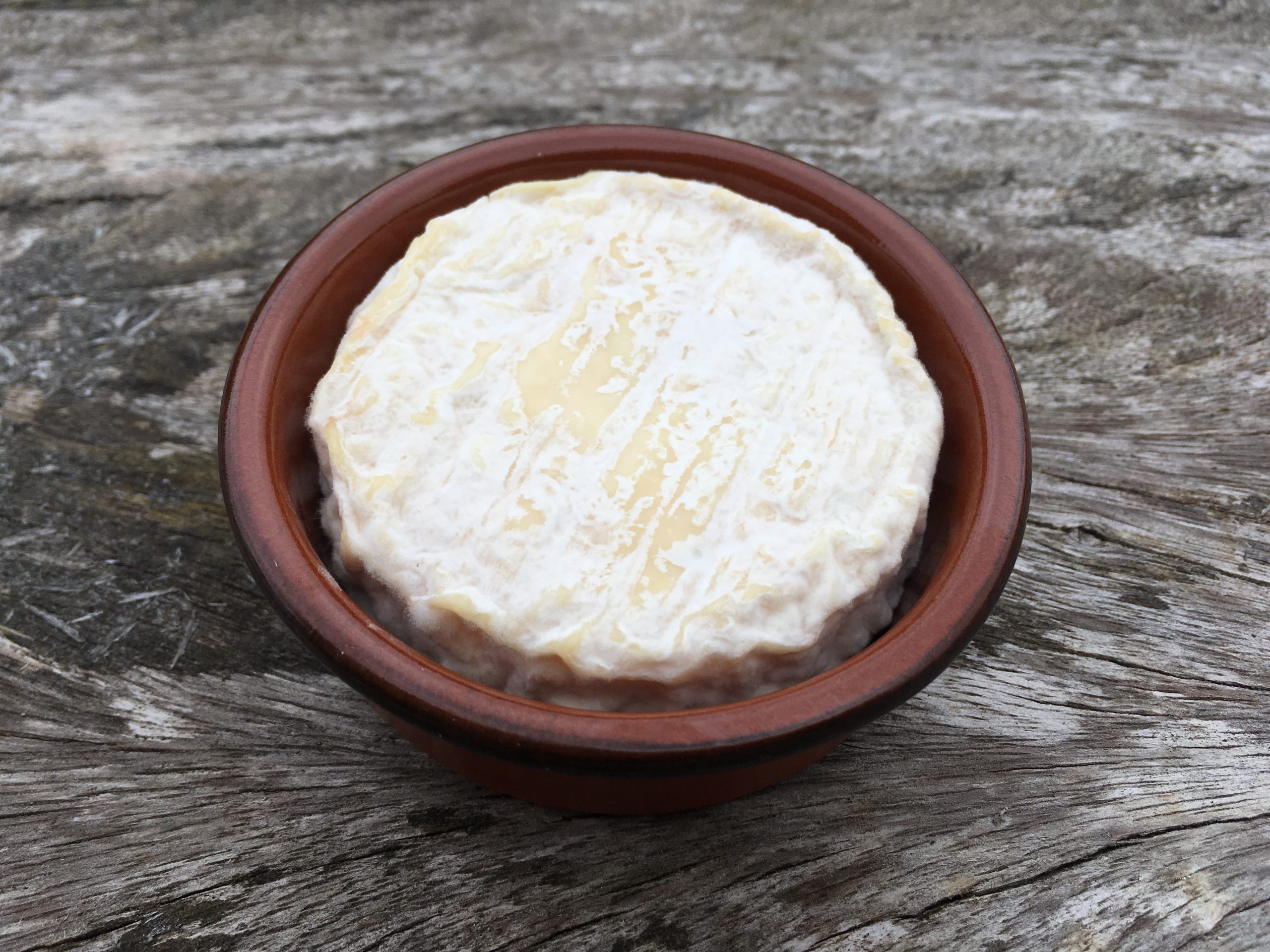
St Marcellin, also called Saint-Marcellin, is a little soft, creamy cheese from southeast France. It comes from the Dauphiné region, around the town of Saint-Marcellin in Isère. It’s made with cow’s milk and is known for its gentle texture and subtle, mild flavours.
St Marcellin is a bit special because it has Protected Geographical Indication (PGI) status. That means only cheese made in a certain area, using traditional methods, can be called Saint-Marcellin. This helps keep its heritage alive and makes sure you’re getting the real thing. The EU granted it this protection in 2013, and the UK still recognises it.
The Backstory
St Marcellin has a long history, with the earliest written records dating back to the 1400s. According to accounts from that time, King Louis XI tasted the cheese after a hunting incident near the Vaucluse mountains. Local woodcutters cared for him and introduced him to their cheese.
At first, St Marcellin was made only with goat’s milk. But as more cows appeared in the area, cheesemakers switched to cow’s milk. These days, the PGI version uses milk from breeds like Montbéliarde, Holstein, and Abondance.
For centuries, it was sold locally at markets and remained a regional speciality. It was not until the 19th century that the cheese began to be traded more widely under the name of the town, solidifying its identity in French gastronomy. This wider recognition set the stage for the protections that would come later.
Protected by PGI
Building on its long-standing heritage, the PGI for St Marcellin officially links its special character to its place of origin. This means the cheese must be produced and matured within a defined area that includes parts of Isère, Drôme, and Savoie. The milk must be sourced from cows raised locally with pasture-based diets that reflect the terroir. The rules also state that the cheese must be made the traditional way, with lactic curd, no rushing or pressing, and just a natural bit of salt.
This protection preserves traditional cheesemaking practices and supports small producers, ensuring that consumers receive authentic St Marcellin.
St Marcellin – Jen’s Tasting Notes
St Marcellin’s flavour profile can vary significantly with age. When it’s still young, the cheese is firmer, with a gentle tang and a fresh, milky taste. At this point, it is clean and delicate. As it matures, the paste softens to a luxurious creaminess. I always find that its flavours become richer, with gentle notes of fresh milk, cream, and subtle earthiness. But, for me, you can’t beat a St Marcellin when it is fully ripe. It goes almost runny under the rind. Its flavour deepens, with nutty, yeasty, and slightly salty notes, all balanced by a buttery richness.
The rind is thin and delicate, often white or lightly mottled with hints of grey-blue mould, adding a gentle flavour contrast without overpowering the cheese. Observing the cheese’s evolving texture is an essential aspect of enjoying St Marcellin. Its consistency can shift from soft and silky to nearly liquid as ripening progresses.
How to Serve and Pair St Marcellin
- Make sure you take it out of the fridge a good hour before you want to eat it so it can come up to room temperature.
- Classic pairings: In the Dauphiné, people often pair St Marcellin with farm-pressed apple juice or local cider. The acidity cuts through the richness perfectly
- Something a little different: I love a light, aromatic white wine such as a Viognier, it just seems to work with the cheese’s creaminess.
- On the plate: A good crusty baguette or a slice of country bread is all you need to let the cheese shine.
- In the kitchen: If you want to make it extra special, bake the cheese in its little ceramic pot until it’s molten, then dip it in fresh bread or crunchy veg. Simple, but unforgettable.
Jen’s note: Apparently, back in the 15th century, some local woodsmen saved the future King Louis XI from a bear in the 15th century by offering him this cheese, leading him to introduce it to the royal court.
Buying St Marcellin PGI
- Brand or Producer: Fromagerie Alpine
- Product name: St Marcellin PGI
- Milk: Cow
- Country: France
- Region: Isère
- Strength: Mild
- Vegetarian: No
- Suitable for pregnancy: No
- Allergens: MILK
Sizes and Prices
- Whole little cheese (approx. 80g), £5.45
Storage Advice
- Keep refrigerated
- Wrap in waxed paper or cling film
- Remove from the fridge before serving
- Consume within 10 to 14 days of opening
Delivery and Collection
- UK wide courier delivery
- Click and collect from our Pangbourne shop
- Free local delivery available for selected postcodes
Ingredients (Allergens are listed in capitals)
MILK, starter cultures, rennet, salt