Description
Pecorino Dolce Cheese
About Pecorino Dolce
Seggiano is known for discovering and sharing Italian dishes that convey the spirit of their region. One of my favourites is their Pecorino Dolce, a gentle, friendly cheese, far less intense than its saltier relatives, but with a clear sense of history.
Pecorino has a story that stretches back to well before Italy existed as a unified country. Its name comes from ‘pecora’, meaning sheep, reflecting the central role sheep’s milk has played in Italian cheesemaking for thousands of years. As early as Roman times, pecorino was recorded as a staple food due to its durability. Over time, every region developed its own variations, influenced by distinctive sheep breeds, local pastures, and preferred ageing methods. This enduring adaptability allowed pecorino’s tradition to evolve through centuries, from Roman tables to the regional tables of Tuscany, Sardinia, Lazio, and Umbria.
The History
“Dolce” in Italian means “sweet” or “gentle.” When you see ‘Dolce’ on a pecorino, it means that it’s milder and less salty than other pecorinos, thanks to a shorter time spent maturing. In the past, farming families would tuck into the young cheeses while the older wheels were still quietly ageing away in the cellar. The fresh or semi-aged pecorino was a welcome bit of nourishment while everyone waited for the big, bold flavours to develop. Produced using well-honed methods, it typically matures for a shorter period than robust, grating-style pecorinos. The result is a cheese that honours the heritage of sheep’s milk cheesemaking while offering a creamy, accessible character that appeals to a wide range of palates.
Great pecorino starts with excellent sheep’s milk, richer than cow’s milk, giving even young cheese a good texture and flavour. The milk is gently warmed, rennet is added, and curds are cut, shaped, and lightly salted. The principal difference lies in maturation. While aged pecorinos may mature for many months, Pecorino Dolce is typically aged for a shorter time, often just a few weeks to a few months. During this period, the cheese develops structure without becoming overly firm or crumbly. Careful monitoring ensures the paste stays supple and the flavours balanced.
Pecorino Dolce – Jen’s Tasting Notes
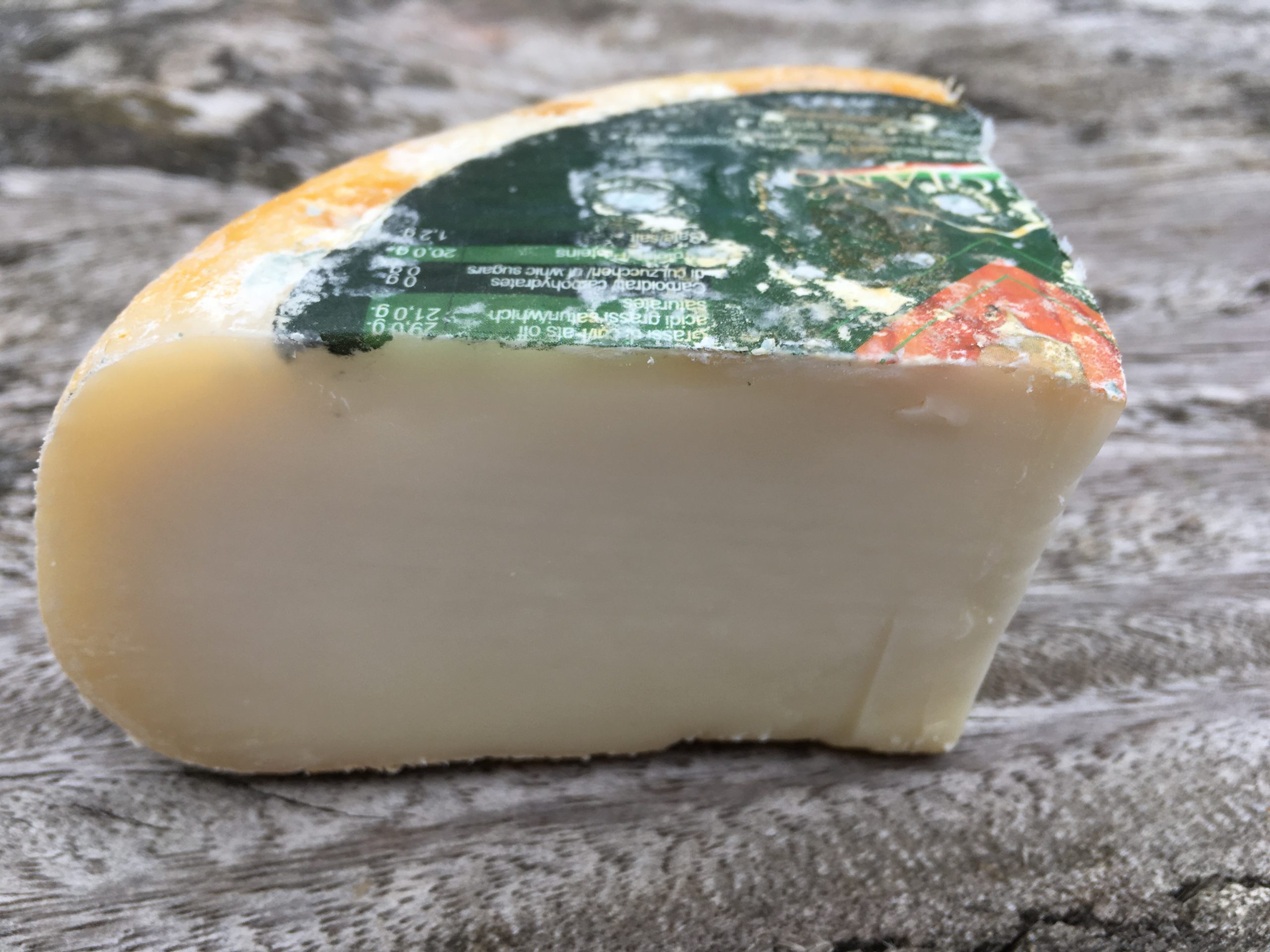
The rind is pale and natural. Inside is a smooth, ivory-white cheese, often with a few small holes. When you cut into Pecorino Dolce, you get gentle aromas of fresh cream, a bit of warm hay, and just a hint of tang, almost like yoghurt. Sometimes there’s a grassy note too, especially if the sheep have been out on pasture.
On the palate, the first impression is gentle and milky. Unlike aged pecorino, which can be assertively salty and bold, Pecorino Dolce offers a rounded, buttery flavour with mild sweetness. The texture is soft, not runny like a brie, but yielding, sliceable yet tender. As it melts on the tongue, it reveals notes of sweet cream, toasted nuts, and sometimes a delicate hint of wild herbs.
The finish is clean and slightly tangy. Its balanced richness and freshness are comforting and subtle, making it a great choice if you prefer less intense cheeses.
How to Serve and Pair Pecorino Dolce
- Make sure you take it out of the fridge a good hour before you want to eat it so it can come up to room temperature.
- Classic pairings: Light or medium-bodied wines match well. I like a crisp Italian white, such as Vermentino or Pinot Grigio, to complement the cheese’s freshness.
- Something a little different: A dry apple cider is also excellent; it accentuates the tangy finish and adds orchard brightness.
- On the plate: Pecorino Dolce pairs well with fresh fruit. Drizzle with acacia honey to enhance creaminess, and add almonds or hazelnuts to reflect the cheese’s nutty character. Its modest saltiness also pairs well with mild cured meats, such as prosciutto.
- In the kitchen: It melts well, so it is excellent in a panini, savoury tart, or omelette. Cubed and added to salad, it adds richness without dominating.
Jen’s note: Historically, the arrival of the first young wheels of pecorino cheese after spring lambing was a symbol of renewal and the start of a new agricultural cycle. Families would slice into freshly made wheels at outdoor feasts, pairing them with bread and young wine, denoting a transition from winter to spring.
Buying Pecorino Dolce
- Brand or Producer: Caseificio Seggiano
- Product name: Pecorino Dolce
- Milk: Sheep
- Country: Italy
- Region: Tuscany
- Strength: Mild
- Vegetarian: No
- Suitable for pregnancy: Yes
- Allergens: MILK
Sizes and Prices
- 100g wedge, £4.40
- 500g wedge, £22.00
- Whole cheese (approx. 1.5kg), available to pre-order
Storage Advice
- Keep refrigerated
- Wrap in waxed paper or cling film
- Remove from the fridge before serving
- Consume within 10 to 14 days of opening
Delivery and Collection
- UK wide courier delivery
- Click and collect from our Pangbourne shop
- Free local delivery available for selected postcodes
Ingredients (Allergens are listed in capitals)
MILK, salt, starter cultures, rennet